
Fire TV Stick 4K Review: Fewer Supported Apps, Fewer Games, Less Flexibility, and More Frustration
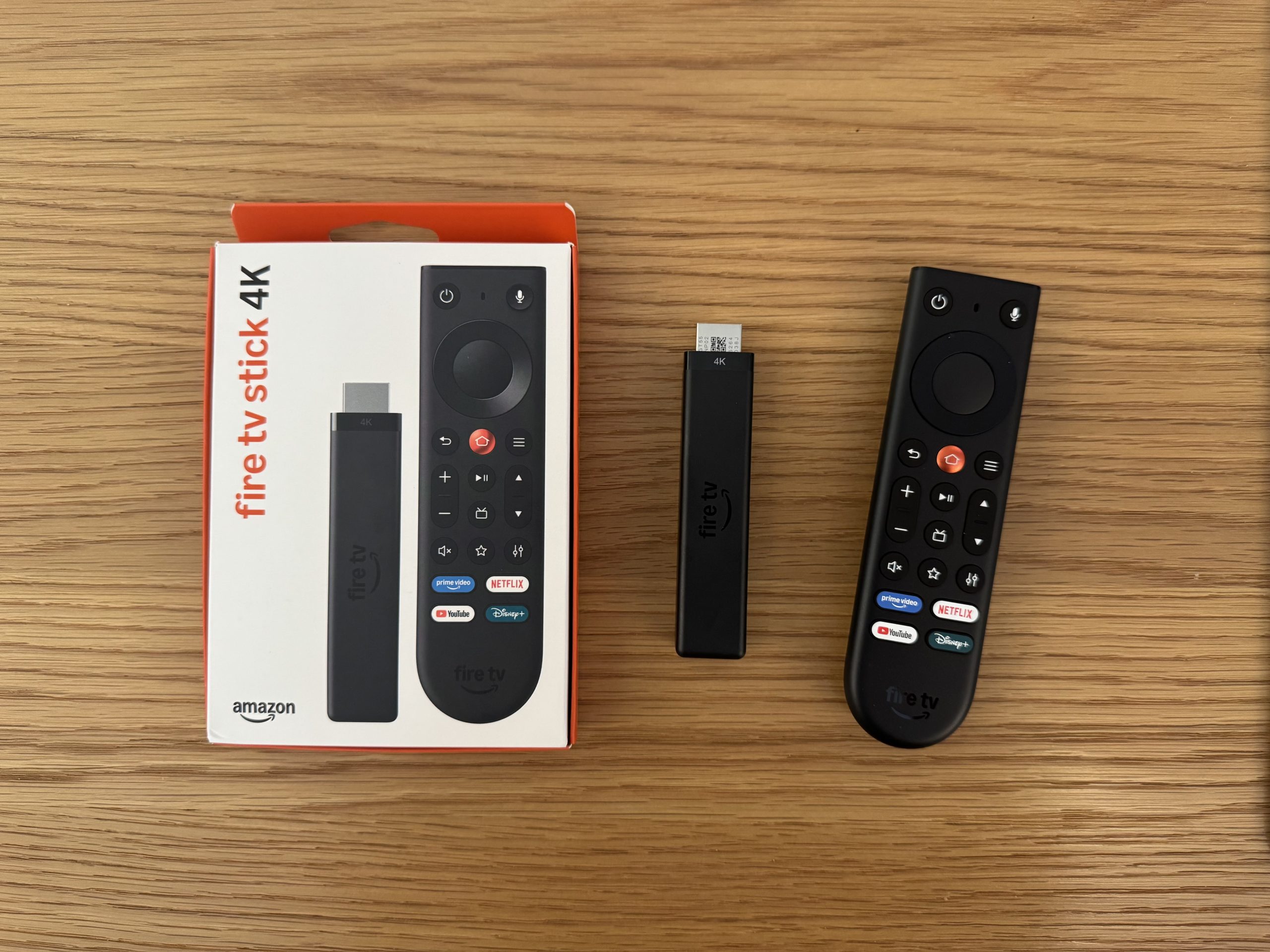
I’m convinced Amazon wants to exit the Fire TV Stick business, given how bad their devices have become. The new Fire TV Stick 4K is out, and it’s not good. 53% of Amazon reviews are one star, and I have to agree. Amazon touts its “speed,” but it is slow and buggy, like previous Vegas OS models. Scrolling lags a lot, and the device acts like it’s drunk. With each new model, Amazon is killing off the Fire TV Stick’s popularity.
Multiple reports show apps like YouTube and Hulu appearing as generic gray boxes with no title. To fix this, you have to download the Fire TV app on your phone and choose the TV it’s connected to, which is a terrible workaround. [Update from Amazon: This affected only some devices, and a fix was deployed last week. Install the latest update, and the full row of apps will display within 10-20 minutes after the update syncs.] The app doesn’t support pinning non-sponsored apps like HBO Max, Peacock or Paramount+ to the main bar, and if it does, I and other users can’t figure out how to enable it. [Update from Amazon: They sent instructions on how to do this.] It doesn’t support Dolby Vision and Dolby Atmos, which was probably the whole point of watching in 4K. Yes, the new remote is nice, but the Vega OS prevents developer options from being enabled, so you can’t sideload apps, something some consumers are only just learning about. Amazon said the device offers a “focused Alexa+ experience,” whatever that means, but Alexa feels half-baked and doesn’t perform well.
- Hardware: The new Fire TV Stick 4K is slimmer (not that anyone asked for this) and boasts 20% to 40% faster performance (Faster than what?! I don’t see it). In this video, Amazon shows the device loading apps and videos faster than “other” devices, but they don’t disclose which devices it was compared to. It is still slower than Fire TV Sticks running Fire OS. It can draw power directly from the TV’s USB port, which is why it doesn’t ship with a power plug, which is a problem for any small TV or monitor that has no USB port. The USB-C cable is only a foot long, so if your USB port is on the other side of the TV, it won’t reach. It also doesn’t ship with an HDMI extension dongle. It features Wi-Fi 6, Bluetooth 5.3, and 8GB of storage.
- New Remote: It has a redesigned remote with tactile improvements, so you can navigate by feel in the dark. It includes a flatter D-pad, a recessed power button, a distinct metallic home button, a subtler mic button, and a customizable Star button for favorites.
- Operating System: The new stick runs on Amazon’s proprietary Vega OS. While mainstream apps like Paramount+, Netflix and Disney+ are built for the OS, the new OS blocks sideloading of any unsupported app, meaning users who want maximum flexibility in what they can install will be limited.
- Pricing and Availability: The Fire TV Stick 4K retails for $60 (currently on sale for $30), and the standalone upgraded remote is sold separately for $15, with a “Plus” version featuring remote-finding features expected later.
The “new” Fire TV Stick 4K experience offers fewer supported apps, fewer games, less flexibility, and more frustration. Amazon is going to kill its Fire TV business by rolling out Vega OS across its entire Fire TV Stick lineup. When I type Fire TV into Amazon’s search bar, “fire tv stick non vega” immediately pops up. Amazon isn’t listening to consumers and seems tone-deaf to the Vega OS problems.
The Fire TV Stick 4K Max is the last holdout in the lineup that still runs Fire OS. Once Amazon switches that model to Vega OS, I will swap out all Fire TV Sticks in my home for Roku or Onn devices, and Amazon will lose me as a customer. I buy 200+ Fire TV Sticks a year as gifts and giveaways and will no longer recommend or promote the device. It’s turned what was a great user experience into one of the worst device experiences on the market.